Goodbye Needles, Hello Convenience: Exploring Compounded Semaglutide
(Madison Roberts) - A Convenient New Approach to Metabolic Health
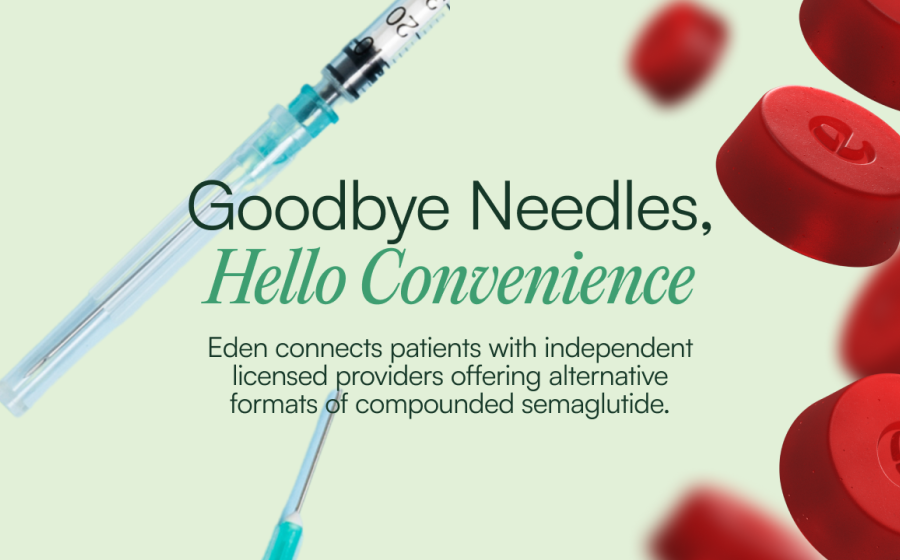
Eden is providing access to a new way for individuals to explore GLP-1 therapy: a compounded semaglutide gummy, available through independent licensed providers and compounding pharmacies. Compounded semaglutide is available in different forms, including injections and gummies. Some patients may prefer alternative formats, but efficacy and safety data are limited. While compounded semaglutide is commonly prescribed in injectable form, this tropical-flavored gummy offers an alternative format that some patients may prefer, which independent licensed providers can discuss as a potential option.
Meeting Patients Where They Are Many Americans face challenges related to metabolic health, including obesity and its associated conditions. Barriers such as needle anxiety or complex treatment regimens often prevent individuals from seeking care. Eden aims to make it easier for patients to connect with independent licensed doctors who can evaluate their health needs and discuss potential treatment options.
"Adherence improves when treatment integrates easily into patients’ lives," explains Adam McBride, Eden’s CEO. Eden’s digital platform streamlines access to independent healthcare professionals who can assess patients and determine eligibility for treatments like GLP-1 receptor agonists, including compounded semaglutide.
Understanding GLP-1 Therapy GLP-1 receptor agonists, such as semaglutide, are FDA-approved for managing type 2 diabetes and weight management when combined with diet and exercise. Some studies suggest these medications may influence appetite and blood sugar levels.
Affordable and Accessible Care Eden connects patients with independent licensed healthcare providers for digital consultations, personalized care plans, and resources such as on-demand workout videos—all for $246 per month. This model aims to eliminate barriers to care by meeting patients’ needs through a convenient, fully digital platform.
Reframing the Conversation Around Metabolic Health Eden’s goal is to support individuals on their journey toward sustainable health improvements by connecting them with personalized care options. Rather than focusing on quick fixes, Eden emphasizes long-term, personalized care that empowers patients to feel their best.
"We’re shifting the conversation to focus on sustainable and manageable health goals," says Eden President Josh Khan. "By making care more accessible, we hope to break down barriers and make a real impact on patients’ lives."
The Future of GLP-1 Treatments Emerging research suggests that GLP-1 therapies may play a role in broader aspects of metabolic health. While studies explore potential applications in areas such as non-alcoholic fatty liver disease and inflammatory conditions. Patients are encouraged to consult with an Eden network provider to discuss potential benefits and determine what therapies are appropriate for their individual needs.
A Healthier Future, One Step at a Time Eden’s mission is simple: to make access to care seamless and empowering. Through their digital platform, Eden connects patients with licensed medical professionals who provide guidance informed by the latest scientific evidence.
Important Note: Compounded semaglutide is not FDA-approved for safety or efficacy. All treatment plans and prescriptions are determined solely by the independent licensed healthcare providers patients consult through the Eden platform. While Eden does not manufacture or compound medications, it serves as a trusted resource connecting patients with qualified providers to explore treatment options. By simplifying access to care, Eden helps patients connect with providers as they take the first step toward addressing their metabolic health needs.

 - Today, millions of Americans live with undetected hypertension, unaware that it can impact even the healthiest of individuals — a lesson that Naomi Saucer* would come to learn firsthand. 1-2
 “The Symplicity procedure was one of the best things I could have done for myself,” said Naomi. “The recovery wasn’t bad— honestly, the hardest part was having to take it easy for eight hours afterward, since I’m always on the go!”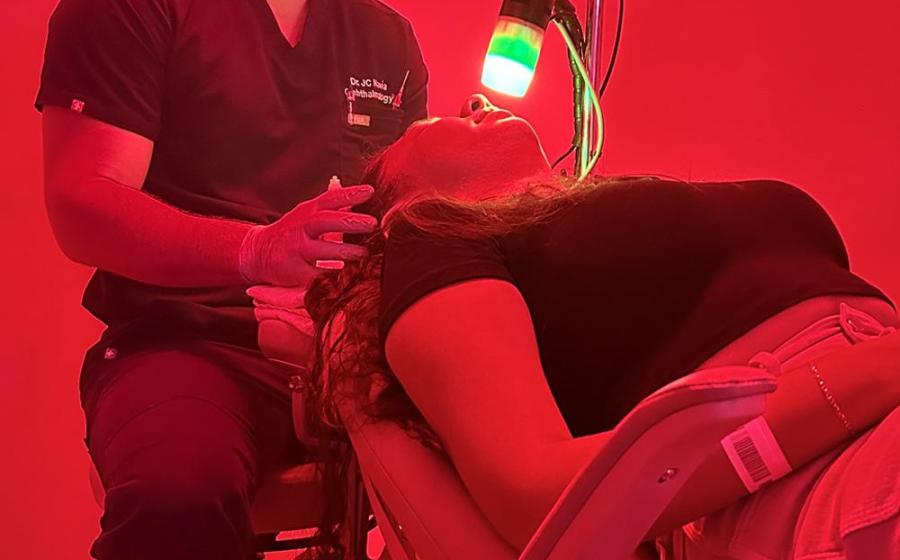
 - Those who suffer from eye infections that threaten a person’s vision have a new treatment option that is noninvasive and counters the problem of antibiotic resistance, based on recent research and clinical work.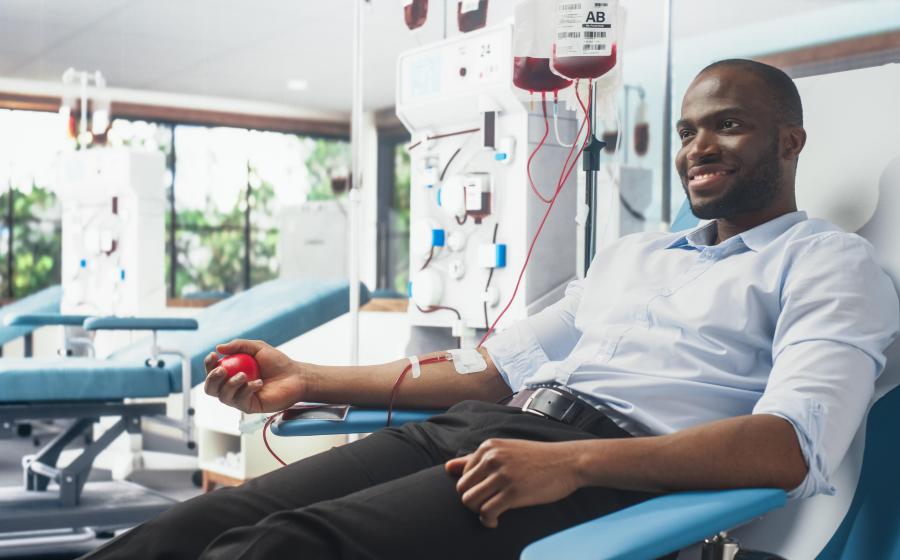
 - Every 2 seconds, someone in the United States needs blood, and a single donation can save lives. Shortages in the nation’s blood supply can happen any time. Donors, especially those who donate regularly, keep our blood supply stable.
 - Cada 2 segundos, alguna persona en los Estados Unidos necesita sangre. Una sola donación puede salvar vidas. En cualquier momento se puede presentar escasez en el suministro de sangre del país.