
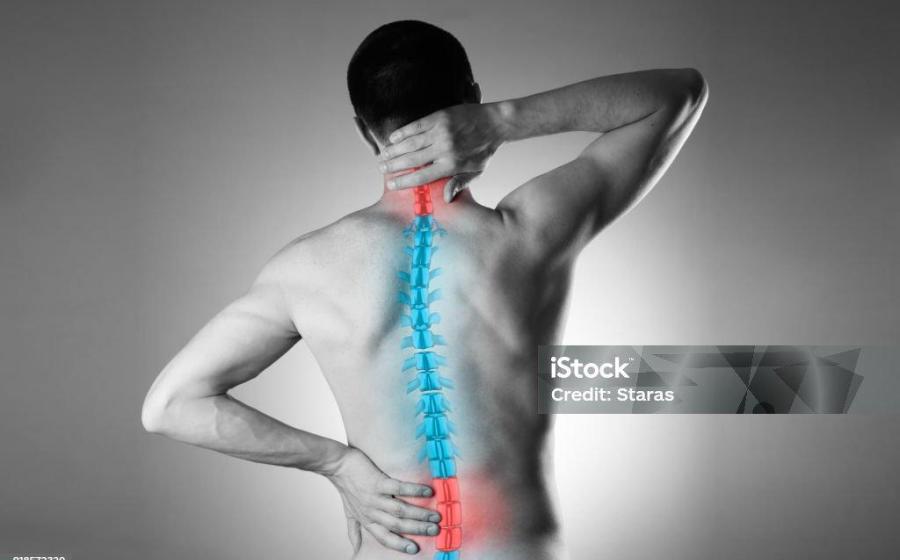
At-Home Traction Devices Can Help Ease Back Pain
(NewsUSA) - Low back pain remains a leading cause of disability and missed time from work in the United States. However, an at-home traction device offers a path to relief, according to Dr. Jeff Fisher, an Irvine, California-based chiropractor with more than 30 years of experience. Dr. Fisher invented the Fisher Traction Neck Device after experiencing an acute spine-related sports injury. Several years later, he developed the Fisher Traction Low Back Device to help his wife and sons manage herniated discs at home.
Much of spinal pain is caused by the compression of spinal nerves from adjacent bones or disc bulges/hernias, Dr. Fisher says. This compression can stem from a long-term chronic condition, acute injury, or simply aging and gravity.
Traction is the most effective way to relax, stretch, and decompress the spine and surrounding muscles and ligaments of the neck and back, Dr. Fisher explains. His at-home device is engineered to work as follows:
-Safely separates bones to eliminate pain and restore function, so the body can heal naturally.
-Restores the natural curves of the neck and back.
-Gently induces hydration and motion into the spine with the use of the release strap.
Dr. Fisher’s series of YouTube videos explains how Fisher Traction reduces and often eliminates pain by relieving compression on the nerves. Traditionally, individuals seeking the benefits of traction therapy had to visit a health clinic frequently or risk hanging upside down in an expensive machine.
Fisher Traction allows patients to experience the benefits of traction at home. Use of the Fisher Traction device has been shown to relieve pain and discomfort, slow disc degeneration, elongate muscles, increase flexibility, and increase range of motion and mobility. Fisher says.
“The key to successful traction therapy is frequency,” says Dr. Fisher. “The more you do it, the more your body can return to normal,” he says. “But who has the time to go to a clinic three days a week? I invented Fisher Traction to be lightweight and portable so you can use it anywhere, anytime.”
To use a Fisher Traction device, secure the loop over a doorknob and lie down. Then simply feel the pull. “You’re using your own body weight, so very little strength is needed,” says Dr. Fisher. The device allows for customized user control and features premium latex tubing with a patented bungee technology that mimics natural muscle contraction.
Traction has been evaluated and examined in over 55 peer reviewed research studies and has been found to be effective in an assortment of physical conditions, with demonstrated improvements in neck and spinal health visibly seen on x-rays, magnetic resonance imaging (MRI), and CT scans.
The recommended use for optimum results is 10-15 minutes a day for 21 consecutive days, followed by 3 times weekly for optimum long term spinal health.
For more information, visit fishertraction.com.
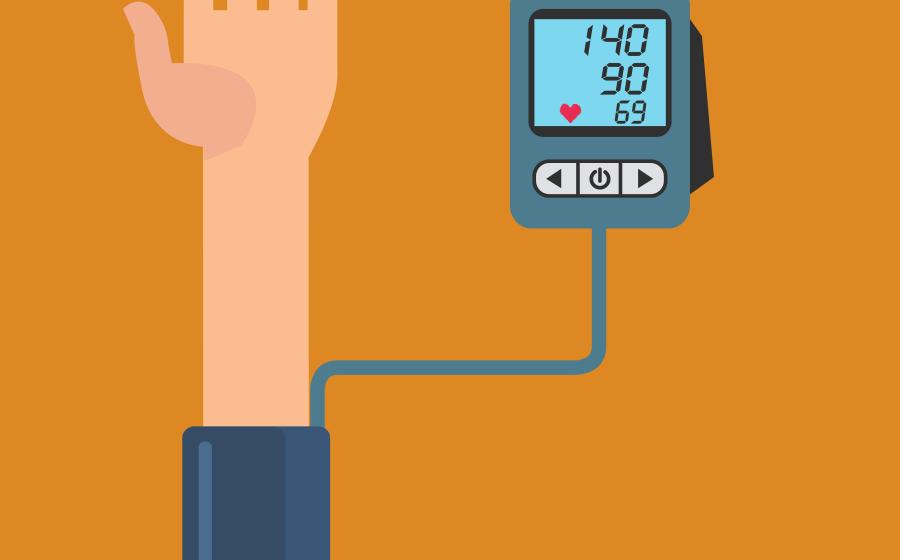
 - La presión arterial alta, también conocida como hipertensión, es una epidemia creciente que afecta a la mitad de todos los estadounidenses. La presión arterial alta puede dañar órganos vitales como el corazón, el cerebro, los riñones y los ojos sin ninguna señal de advertencia. Si no se trata, también puede provocar problemas graves como dolor de pecho, ataques cardíacos e insuficiencia cardíaca, y aumenta el riesgo de accidente cerebrovascular y enfermedad renal crónica. Durante mucho tiempo, la única forma de tratar la presión arterial alta era mediante cambios en el estilo de vida, como dieta y ejercicio, o tomando medicamentos. Hoy en día, hay otro enfoque a considerar además de las modificaciones en el estilo de vida y los medicamentos.

 - In the ongoing battle against COVID-19, vaccines have been successful in helping to reduce illness and contributing to the declining numbers of infections in the U.S. and around the world. But COVID-19 is not gone, and it remains a significant threat. Those with weakened immune systems, chronic illnesses and other risk factors are particularly vulnerable to severe illness from the virus.

 - Lung cancer is the deadliest of all major cancers, with Small Cell Lung Cancer (SCLC) patients having a significantly lower survival rate than non-small cell lung cancer patients (NSCLC).
 - By the time you read this article, three people will have had a stroke and one will die. Stroke is the leading cause of serious long-term disability in the United States, impacting nearly 800,000 people each year, with a quarter experiencing another stroke within five years. Despite the prevalence of stroke, 80% are preventable with a combination of medication and healthy habits.
 - Cardiovascular Disease including stroke remains a leading cause of death in the United States and is the number one cause of death in women, according to the American Stroke Association, a division of the American Heart Association.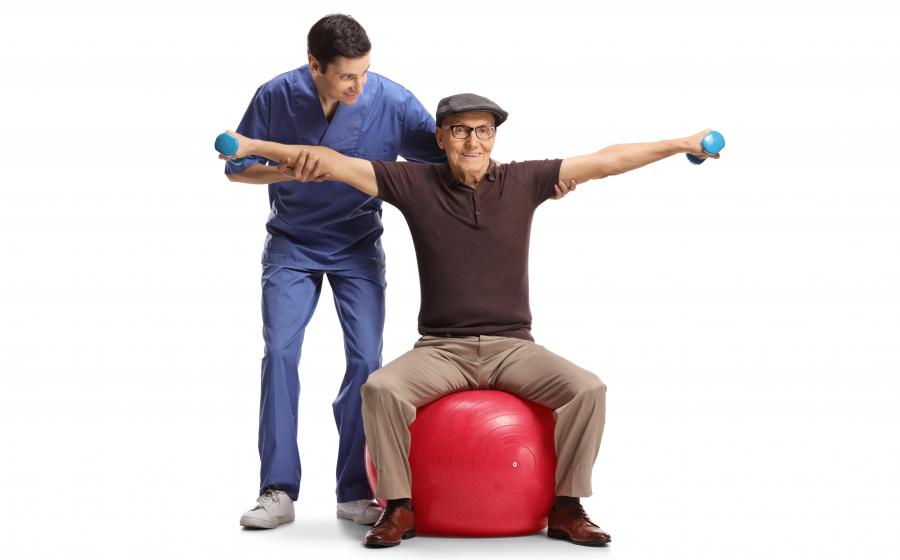
 - The number of deaths from heart disease in America may be rising due in part to a Medicare coverage technicality. Home-based, virtual cardiac rehabilitation is popular nationwide and has proven to reduce the risk of death. In 2018, the American Heart Association and other professional societies endorsed virtual cardiac rehab as an effective option for patients. In fact, a recent study in the Journal of the American Medical Association showed a 36% lower risk of death for those adults participated in a home-based, cardiac rehab program versus those who did not.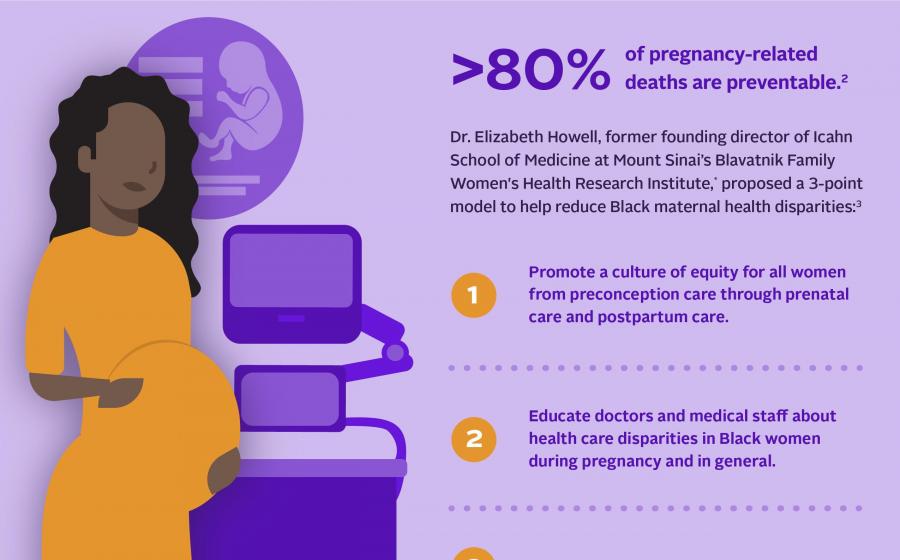
 - Despite having a standard of living among the highest in the world, the maternal mortality rate in the United States has increased over the past 25 years, according to data from the Centers for Disease Control and Prevention. The numbers are especially poor for Black women, who are two to three times more likely to die from pregnancy-related causes than their white counterparts, while black infants are more than twice as likely to die as white infants. These disparities persist regardless of level of education.