
How Your Business Can Survive The Coronavirus
Practically overnight, businesses have been forced out of the comfort zone of face-to-face contact, now having to heavily rely on digital platforms. Businesses, especially, are struggling with figuring out how to survive by using digital communication techniques.
With the Centers for Disease Control and Prevention (CDC) and government officials emphasizing "social distancing and mandatory nonessential business closures," technology such as live video conferencing, chat boxes, and email will be the basis for millions of Americans for their jobs, schooling, and everyday communication. So, with so many players in the game, how can businesses continue to function successfully?
Higher Images, a 20-year-old full-service digital marketing agency located in Pittsburgh, Pennsylvania, is helping organizations, businesses, and the community re-imagine what their lives and work-life will look like through web-based technology and mobile devices.
President and CEO of Higher Images, Bryan Thornberg, says, "Rather than going into crisis mode, businesses should take this as an opportunity to expand their knowledge and reach. With many more people relying on digital communication, this is an ideal opportunity for businesses to break boundaries and try new techniques when connecting with clients."
Thornberg and his team want to help people not just survive this crisis but to thrive during it and come out with an organization and business model stronger than ever.
Thornberg has already been able to impact his clients by thinking outside the box and recommending the usage of technology such as live feeds and Facetime.
For example, a hot tub distributor - a business that relies on their retail location for sales - took the recommendation of Thornberg and is now offering live video conferencing for customers to do live demonstrations of products and make purchases.
Higher Images also urges businesses to utilize their existing websites to drive business: for example, adding a chat-box function to their website for customer communication, allowing organizations to respond to clients in real-time from the convenience of a cell phone or office computer from any location in the world.
With higher internet traffic, this is also a key time for organizations to utilize search engine marketing, Google ads, and mobile in-app advertising technology such as Webtracker, which geo-fences homes to enhance brand visibility. Strategizing with a digital marketing company like Higher Images will provide businesses with the tools they need to succeed.
Visit www.howcanmybusinesssurvivethecoronavirus.com for more information.
 - Here's a TERRIBLE MAT! You probably HATE IT!
 - The last thing anyone should ever question when considering an outpatient procedure is their safety. After all, you trust that the facility performing your procedure has gone through rigorous standards to ensure the unthinkable never happens. Unfortunately, the unthinkable not only can happen, but does, particularly when healthcare facilities aren’t held accountable.
 - A decade ago, Infographics were the “it” tool to promote your business, but became a less desirable way of promoting your business a few years ago. NewsUSA, a brand content agency, argues that infographics are still one of the best marketing tools to pitch your clients.
 - Manufacturing companies continue to struggle to find skilled employees, but they may be overlooking the perfect talent pool -- veterans.
 - COVID-19 has changed the way Americans approach elective surgery, sometimes in unexpected ways.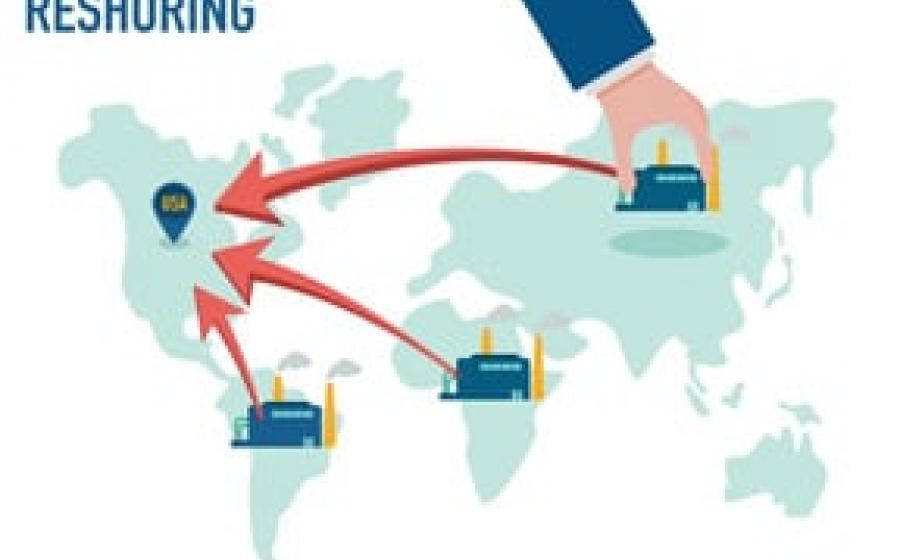
 - Ongoing news reports of global supply chain challenges highlight the need for improvements and changes in the manufacturing infrastructure.
 -The number of independent workers, small business owners and freelancers in the United States continues to grow as more workers embrace the flexibility and autonomy of being their own bosses. However, being THE boss also brings the need to wear many hats -- office manager, marketing specialist, accountant, tech support -- all while juggling multiple clients, time zones, and media platforms.