
BookTrib's Bites: From Magic and Mayhem to Memory and Meaning
(BookTrib) -
- 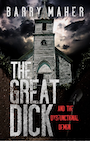 “The Great Dick and the Dysfunctional Demon” by Barry Maher
“An enormous amount of fun. Wholly fresh and original. Wickedly funny … a hot, sweaty, magic- and murder-infused rollercoaster. … I loved it.” —David Moody, author of Hater
Once Steve was a hero. Now he’s running from the law. And he’s just become a killer, stumbling upon a woman being assaulted by what seemed to be the most bloodthirsty wino in California. Steve should keep moving. But Victoria, the woman, is beyond stunning.
Steve stays. Even as the face of the man he just killed materializes on his arm. Even as he’s looting the decomposing dead for the secrets of a self-proclaimed sorcerer. Even as he becomes trapped in a nightmare of fire, blood and death with the Ralph Lauren version of the Manson family.
The Sorcerer’s rituals and spells can’t actually work, of course. Until they do. And unknown to Steve, a demon is growing desperate.
Purchase at https://amzn.to/499XJN7.
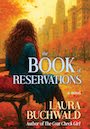 “The Book of Reservations” by Laura Buchwald
Josie Gray believes her restaurant, Miss Sylvie’s, can be a sanctuary for both the living and the dead, with whom she can communicate. But as the Greenwich Village eatery struggles to survive, the practical demands of running a kitchen collide with her spiritual gift.
Derek, her pragmatic partner in business and life, eschews the spirit world — and the ghost table Josie sets every night for her departed loved ones. Tensions at the restaurant rise further as the staff contends with a manipulative new manager and mysterious sous chef, while the spirits Josie serves grow restless.
Drawn into the unfinished stories of those around her, Josie must deliver long-buried truths that could change lives, even as she questions her place in a world that doubts what she sees. Every encounter forces her to confront what she owes her friends and family on both sides of the veil, as well as her own needs.
Purchase at https://tinyurl.com/bookofreservations.
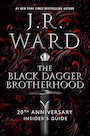 “The Black Dagger Brotherhood: 20th Anniversary Insider’s Guide” by J.R. Ward
Celebrate twenty years of the #1 New York Times bestselling Black Dagger Brotherhood with this all-new insider’s guide. J.R. Ward returns to the world that redefined paranormal romance, offering behind-the-scenes stories, personal reflections, writing insights and a candid look at the challenges and triumphs of her legendary career.
This commemorative volume also revisits the original Brothers with classic favorites and never-before-seen material, including a brand-new novella — “Happy Anniversary,” in which Wrath and Beth reclaim lost time in a tender, erotic and emotional reunion. Fans will also enjoy Brotherhood interviews, “Ask a Brother,” Vishous’s Agony Aunt column, “Kitchen Corner with Fritz,” “Bella’s Books,” playlists, monthly horoscopes and more.
A true keepsake, this collection is both a celebration of the series and a heartfelt thank-you to the readers who have been part of the journey. It’s also the perfect holiday gift for any J.R. Ward superfan.
Purchase at https://a.co/d/9WkNywI.
 “Joyful Resilience” by Agazit Negash
A moving memoir about love, loss and the unbreakable bond between siblings.
When Biruk — diagnosed with autism — loses both his mother and father just 25 days apart, his world is shattered. Stepping in as his guardian, Agazit must navigate overwhelming grief while honoring the devotion and sacrifices of the parents who shaped them. Full of vivid, emotionally rich storytelling, “Joyful Resilience” reads like a love letter to the author’s family and a testament to the strength found in compassion.
As Agazit and Biruk lean on each other and learn to adapt, their journey reflects the power of familial love, the beauty of neurodiversity, the courage required to keep moving forward, and the universal struggle through grief to healing. Heartfelt, relatable, inspiring and deeply human, “Joyful Resilience” celebrates connection and perseverance in the face of unimaginable loss.
Purchase on Amazon https://amzn.to/448pJxc or visit AgazitBooks.com for other options. Follow @authoragazitnegash on Instagram or @AuthorAgazit on X.

 - Want to get a little wild this winter? The Dallas Safari Club’s upcoming convention in Atlanta, Georgia has something for everyone to help take a bite out of the midwinter blahs.
 -
- 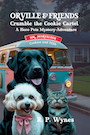 “Orville & Friends Crumble the Cookie Cartel: A Hero Pets Mystery-Adventure” by Avante Books and R. P. Wynes
 “Teddy Lou, Bell Guru” by Chris Demeropolis
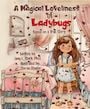 “A Magical Loveliness of Ladybugs” by Amy L. Stark, Ph.D.
  “The Outstanding Little Picture Book” by Simon P. J. Dorey
 - Chilly December air can make for an ideal time to get your fitness routine started. That’s because seasonal changes naturally affect our bodies and habits.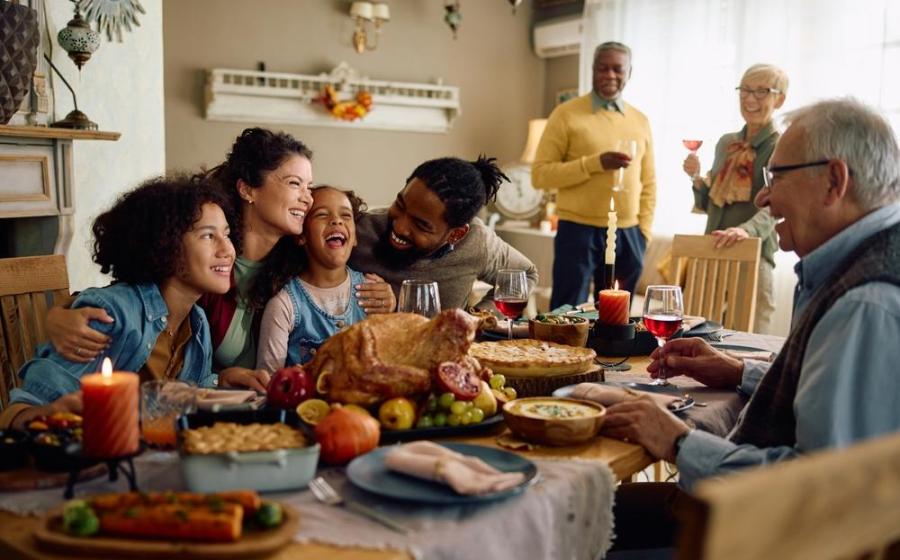
 - Rich food, extra stress and endless holiday gatherings can do a number on the digestive system. Between charcuterie boards, champagne toasts and once-a-year desserts, it’s no wonder bloating is one of the most common holiday complaints. And nothing kills holiday cheer faster than feeling uncomfortably full and sluggish. In fact, bloating is one of the most common holiday complaints. The good news is that bloating can be controlled without missing out on festive holiday foods.
 - Obesity is a chronic disease affecting over 100 million Americans. Despite its prevalence and serious health consequences, widespread insurance barriers limit access to FDA-approved GLP-1 treatments.
 -
-  “The Heart of It's a Wonderful Life” by Jimmy Hawkins
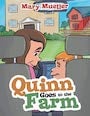 “Quinn Goes to the Farm” by Mary Mueller
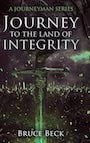 “Journey to the Land of Integrity” by Bruce Beck
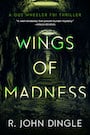 “Wings of Madness” by R. John Dingle
 - Until now, one of the most widely used Internet of Things (IoT) networks has operated quietly behind the scenes, powering smart cities, tracking shipments, and protecting public spaces. For years, it has connected the world around us and now, the same technology that powers smart cities is starting to enter your home.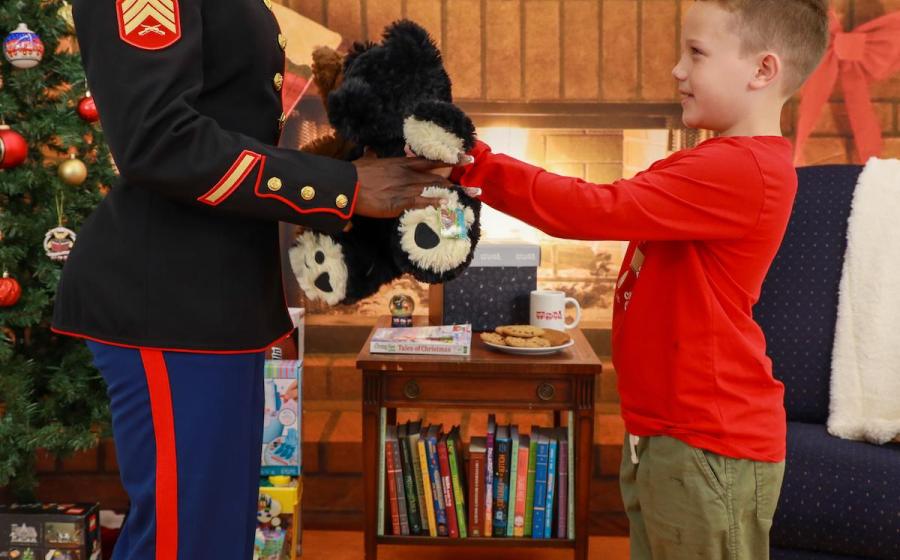
 - On December 2nd, the world came together for Giving Tuesday—a day of generosity and impact. At Marine Toys for Tots, Giving Tuesday transformed into Giving TOYSday—the perfect day to support the Program’s mission of delivering toys and hope to children in need.
 - As autonomous vehicles (AV) continue to evolve, consumers may be on the cusp of a new age of autonomous mobility, according to experts at the Special Competitive Studies Project (SCSP), a nonprofit and nonpartisan initiative with a goal of making recommendations to strengthen America's long-term competitiveness in AI.