
OnCore Golf: Innovating the Game with Advanced Ball Technology
(NewsUSA) - At first glance, a golf ball may seem simple, but OnCore Golf has proven there's much more to it than meets the eye. This innovative startup has revolutionized golf ball technology in ways that larger companies haven't been able to.
Founded by longtime friends and business partners Bret Blakely and Steve Coulton, OnCore Golf was born out of a desire to bring innovation to golf ball design. Their proprietary perimeter-weighting technology minimizes unwanted sidespin—helping golfers achieve straighter shots, even in challenging conditions.
But OnCore's journey wasn't just about physics; it was also about breaking through barriers in the traditional golf industry. As newcomers introducing cutting-edge technology, they faced resistance. However, their perseverance paid off when, after a two-year appeal, the U.S. Golf Association approved OnCore balls for use in professional tournaments.
"OnCore represents those who embrace their differences and use them to shape a unique vision for what golf can be," Blakely shared in an interview. "We don't just sell products; we inspire individuality and drive through our approach and messaging."
A Golf Ball for Every Player
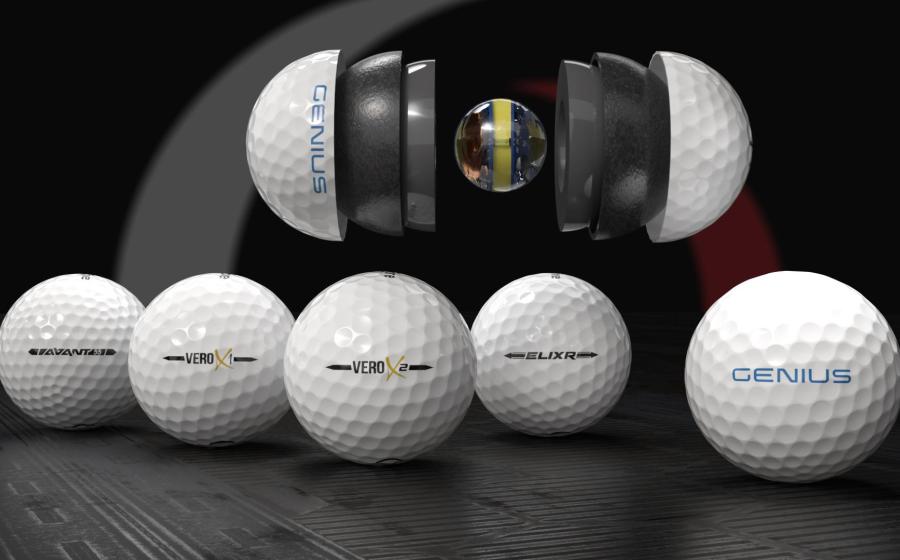
OnCore offers a lineup of balls tailored to different skill levels:
- Beginner-Friendly: The Avant 55 is designed for golfers with slower swing speeds, offering a soft feel and enhanced distance.
- Intermediate & Advanced: The Elixr and Elixr 2020 feature a urethane blend that enhances distance and accuracy for skilled players.
- Tour-Level Performance:
- Vero X1 (85 compression) is crafted for serious golfers seeking precision.
- Vero X2 (95 compression) provides advanced players with exceptional control and responsiveness.
Smart Tech Meets Golf: The Genius Ball
OnCore isn't stopping at traditional golf balls—the company is pioneering smart technology with its upcoming Genius Ball. Equipped with microelectronics and AI-driven analysis, this revolutionary ball tracks data to help golfers refine their game.
Initially designed for chipping and putting, the Genius Ball provides real-time feedback to improve technique. A full-course version is also in development, though it will be a training aid rather than a tournament-legal ball.
For more details, visit oncoregolf.com.
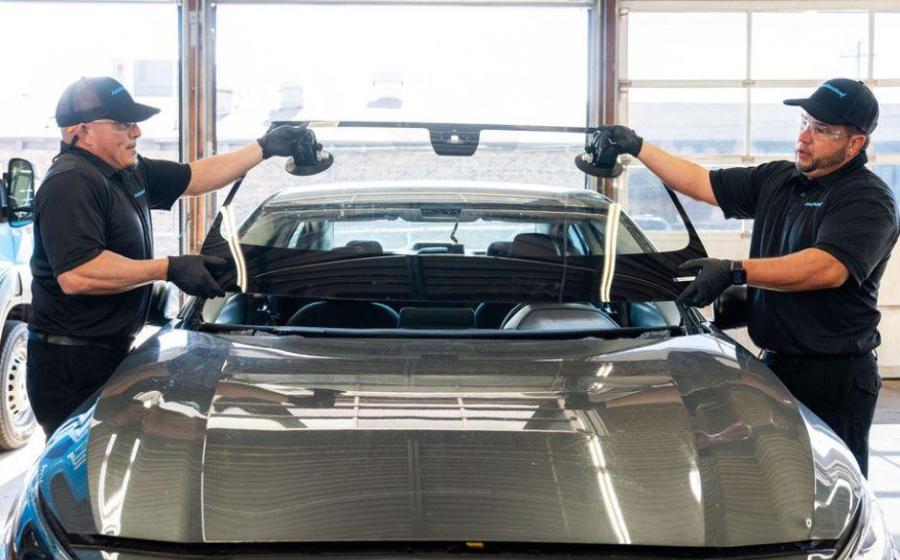
 - When it comes to auto glass repair and replacement, choosing the right provider is crucial for ensuring the safety and performance of your vehicle. The quality of the glass, the skill of the technicians, and the use of advanced technology all play vital roles in delivering a reliable repair that protects you on the road.
 Why Expertise and Technology Matter
 - Tax policy is set for a pivotal year and while most will focus on potential corporate tax rate changes, a new issue is emerging: the role of AI in tax preparation.
 -
-  "Conviction Overturned" by Willard Bakeman
 "The Elderly Gentleman's Ulyssee" by Hans Bodmer
 "Your Home Remedy for Acid Reflux Disease" by Dr. Howard Christian
 "Soul Flowers" by Cynthia Schumaker
 - Trying to be better organized and looking to overcome your storage dilemma with more than a dull metal rack or a makeshift cubby? Take your cue from these design pros. Throughout the home, they’re creating functional and beautiful storage solutions. How? They’re doing it with all-natural cypress. And you can, too!




 -
- 
 - Expanded Screening Coverage Can Reduce Needless Deaths
 - Many small, family-owned farms in America are struggling to make ends meet. But some farmers like Byron Kominek are discovering how renewable energy can help them keep their land and their way of life.
 - Aunque las enfermedades del corazón se pueden prevenir en gran medida, aun así, siguen siendo la principal causa de muerte en los Estados Unidos. Las enfermedades cardíacas afectan a millones de personas y su impacto no es igual en todas las comunidades.
 - Heart disease is largely preventable, yet it’s still the leading cause of death in the United States. It affects millions of people, and its impact is not shared equally among all communities.