
BookTrib’s Bites: Epic Stories, Iconic Events and Personalities
 -
- 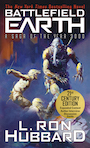 “Battlefield Earth, Expanded 21st Century Edition”
by L. Ron Hubbard
It’s the year 3,000, a thousand years after an alien invasion nearly exterminated the human race and left the cities in crumbling ruins -- a post-apocalyptic graveyard. The vicious aliens hunt the remaining survivors for sport. A young hero rises from the ashes and rallies the scattered tribes in an all-out rebellion for freedom that erupts across the continents of Earth and the cosmic sprawl of the Psychlo Empire. You will love this classic sci-fi novel because of the characters.
“Pulse-pounding, mile-a-minute sci-fi action-adventure.” --Brandon Sanderson
“Non-stop and fast-paced.” -- Kevin J. Anderson
“Over 1,000 pages of thrills, spills, vicious aliens and noble humans. Un-put-downable.” -- Neil Gaiman
“This has everything: suspense, politics, war, humor, and intergalactic finance.” -- Publishers Weekly “A vivid movie of the mind.” -- AudioFile “Epic story.” -- Booklist
Purchase at https://amzn.to/3S5URnY.
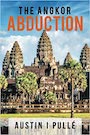 “The Angkor Abduction”
by Austin I Pulle
When sex-traffickers kidnap a beautiful Eurasian teenager when she is on a school trip to the famous Angkor Wat complex in Cambodia, Alex reluctantly agrees to join in the search but then finds himself fighting a ruthless former Khmer Rouge warlord to rescue the beautiful Imogen and reunite her with her mother.
Alex had pressed the reset button on his life and relocated to manage the Singapore office of a Texas billionaire. He had hoped for a quiet, successful run, but fate has other plans. Now in a race against time to save the girl from being auctioned off to a select group of billionaire crime bosses, he realizes the only thing necessary for evil to triumph is for good men to do nothing.
Purchase at https://amzn.to/3Crn0BE.
 “Did We Learn Anything from WTC Towers Collapse?...”
by Gregory Szuladzinski
The best known and the most extensive engineering investigation into the collapse of World Trade Tower 1 is presented in National Institute of Standards and Technology (NIST) reports. But the author argues that the work failed to demonstrate the mechanism of failure. Now, some 21 years after the disaster, the damage done by premature destruction of evidence cannot be undone. However, the analytical part can be corrected and completed.
This book presents at least three types of material: the discussion of the report as presented by NIST volumes; the background material and information to better grasp what is missing or poorly explained results in the NIST and the analysis of expected results of a similar attack against the new 1-WTC building.
Purchase at https://amzn.to/3y4NjuQ.
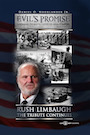 “Evil’s Promise”
by Daniel O. Noorlander Jr.
This is the second in a three-part series on what Rush Limbaugh taught for one-third of a century sitting behind the Golden EIB Microphone. Rush was unwavering in his defense of America against the left and their effort to destroy America as founded. This book focuses on what leftists oppose and why. It constitutes a warning from Rush to shun the left and reject their attempt to regulate every aspect of your life.
Books dedicated to Rush’s memory must include a discussion of what he taught about evil and how to avoid it. Sample chapters, reviews of the author’s favorite Rush segments and a blog about the Rush Revere series of books can be found at TributeToRush.com.
Purchase at https://amzn.to/3M3A8zY.
NOTE: BookTrib’s Bites is presented by Booktrib.com.
 -
- 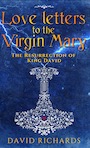 “Love Letters to the Virgin Mary”
  “Atom & Molly: The Wireframe Edition”
 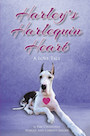 “Harley’s Harlequin Heart”
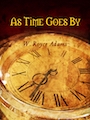 “As Time Goes By”
 -
- 


 - If author Mitzi Perdue is using the example of Mark Victor Hansen for a little inspiration, well, she’s come to the right place.
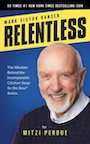 Yet the story of Mark Victor Hansen is a story onto itself, now told in glorious, painful and motivational detail by Perdue -- a “chicken” celebrity in her own right as the widow of the legendary chicken maven, Frank Perdue -- in her new book, “MARK VICTOR HANSEN: RELENTLESS.”
 “It is my hope,” says the author, “that the lessons from Mark Victor Hansen’s life help everyone build confidence, agency, empathy, and valuable life skills.”
 -
- 
 - Winter is coming. And so are winter expenses. Planning ahead for inevitable winter expenses, from holiday shopping to home winterization, can save you time and stress as well as money. And it can leave you with a robust nest egg when spring arrives.
 -
- 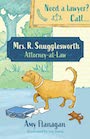 “Mrs. R. Snugglesworth – Attorney-at-Law”
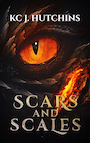 “Scars and Scales”
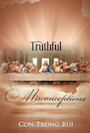 “Truthful Misconceptions”
 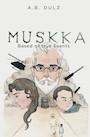 “Muskka”
 - Technology is part of children’s lives, and although excessive screen time is a concern, other types of technology can be an enhancement to early childhood education.
 -
- 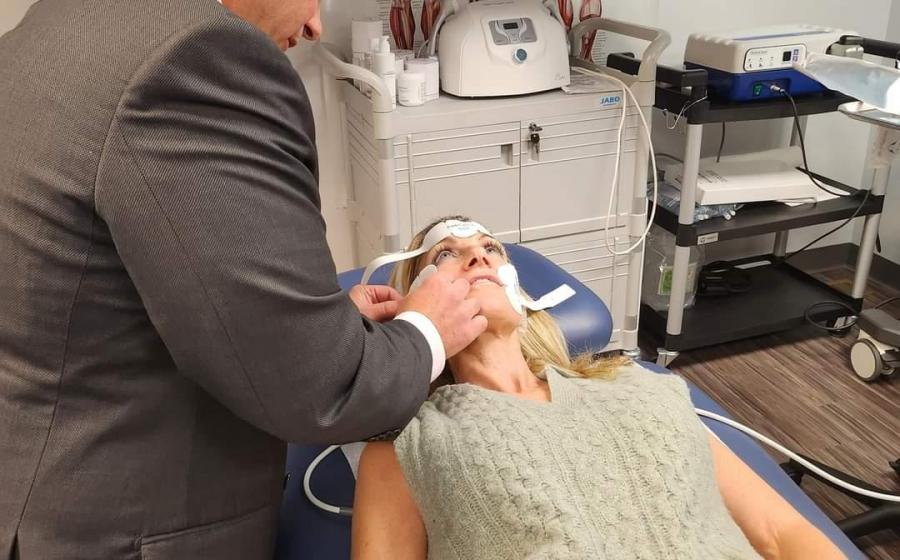
 - The holiday season is coming, and with the return to in-person events, everyone wants to look their best. But many people who might consider a skin-tightening treatment shy away from needles, and have concerns about fillers and chemicals. Apex Center for Regenerative Medicine offers an alternative.